News
The risks of a DIY divorce

Since the introduction of no-fault divorce, there is no longer a need to assign blame. As such, the process has been made much simpler through the use of an online service.
The application can be made by one party, or a joint application can be issued. The user-friendly online application appears straightforward, creating the impression that a solicitor is no longer necessary.
However, whilst the application itself may appear easy, it is important to understand the potential risks of doing a DIY divorce.
Finances
Many people assume that when the final order in divorce has been granted, all matters have been concluded.
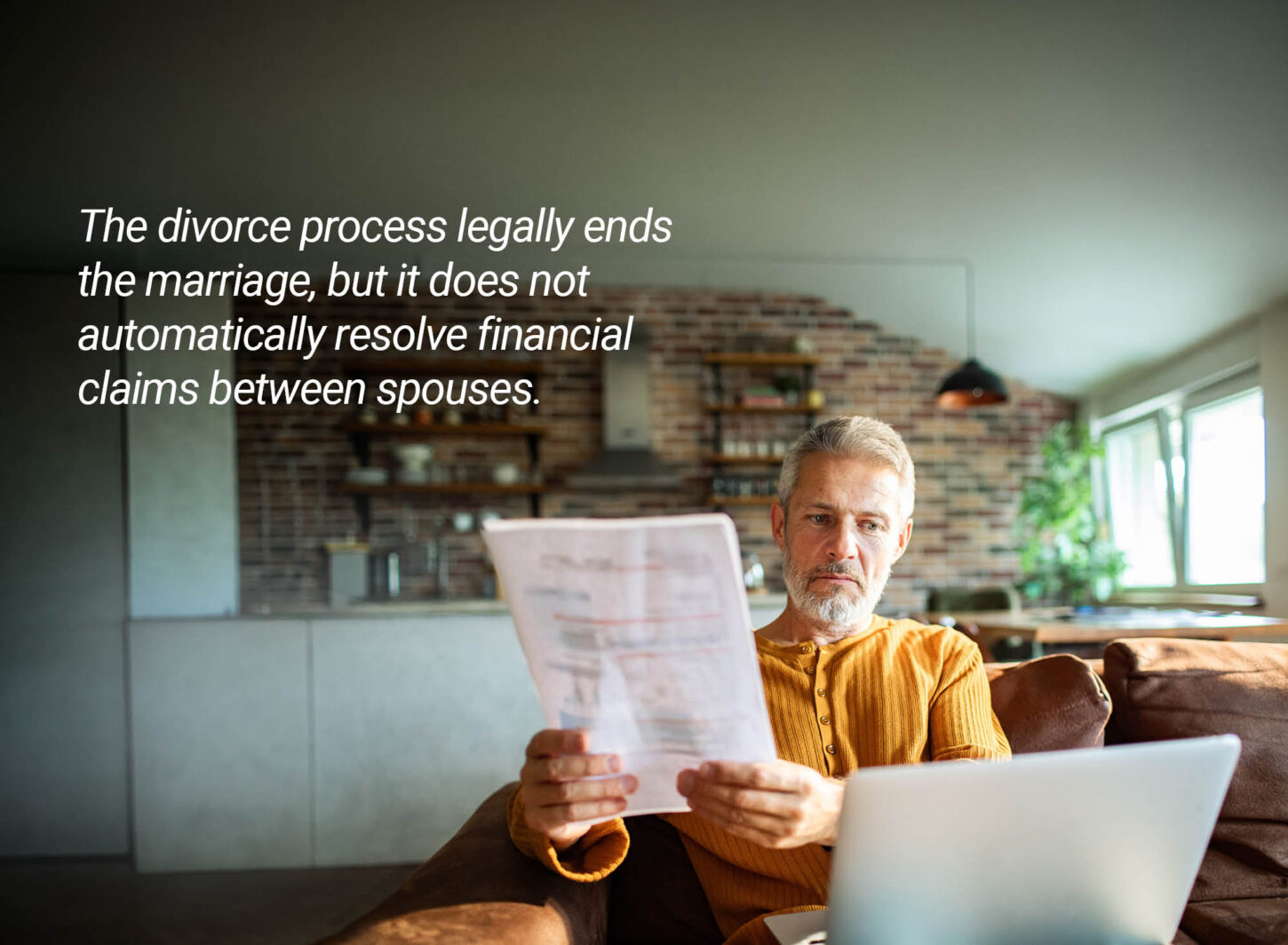
The divorce process legally ends the marriage, but it does not automatically resolve financial claims between spouses. Without a legally binding financial order approved by the court, financial claims can remain open for years after the divorce has been finalised.
It is therefore important to ensure a properly drafted consent order is obtained to provide certainty and finality for both parties.

Pensions
Pensions are often one of the most valuable assets within a marriage. Individuals can sometimes focus on the immediate assets, such as property, and overlook pensions.
In addition, if there is to be a pension sharing order, you are advised to wait 28 days from the date of an order before applying for a final order in divorce. This is because, if you are legally divorced at the time the order is made and your former spouse dies before the 28-day period has expired, you may lose any benefits to which you are entitled, as the pension provider will be unable to implement the order.
The application
Whilst the application may appear straightforward, it contains an important question concerning financial claims. An incorrect response could have serious consequences, particularly if you remarry in the future. It is therefore crucial to seek legal advice regarding the remarriage trap and its potential impact on your financial claims.
Costly mistakes
Many people opt for a DIY divorce to save time and money, which is understandable. However, if a mistake is made, the cost of correcting it can often lead to delays and significant expense further down the line. The reason for this is that many clients seek legal advice when they realise that the final divorce order has not afforded them the protection they expected.
Property
The family home may be the main asset between parties, and securing the right for one individual to occupy the family home may be imperative. If a final order in divorce is obtained, this ends any home rights an individual may have secured against the family home, so it is important to ensure that does not happen.
The introduction of no-fault divorce has simplified the process of ending a marriage. However, the legal, financial and practical consequences of divorce remain as important as ever.
These are just some examples of the risks associated with a DIY divorce. There may be other reasons which are relevant to your particular case, which is why obtaining advice from the outset is important.
For some individuals, a DIY divorce may be appropriate where circumstances are straightforward and there are no significant assets or unresolved issues. For many others, though, obtaining legal advice can provide clarity, protect future interests and help avoid costly mistakes.
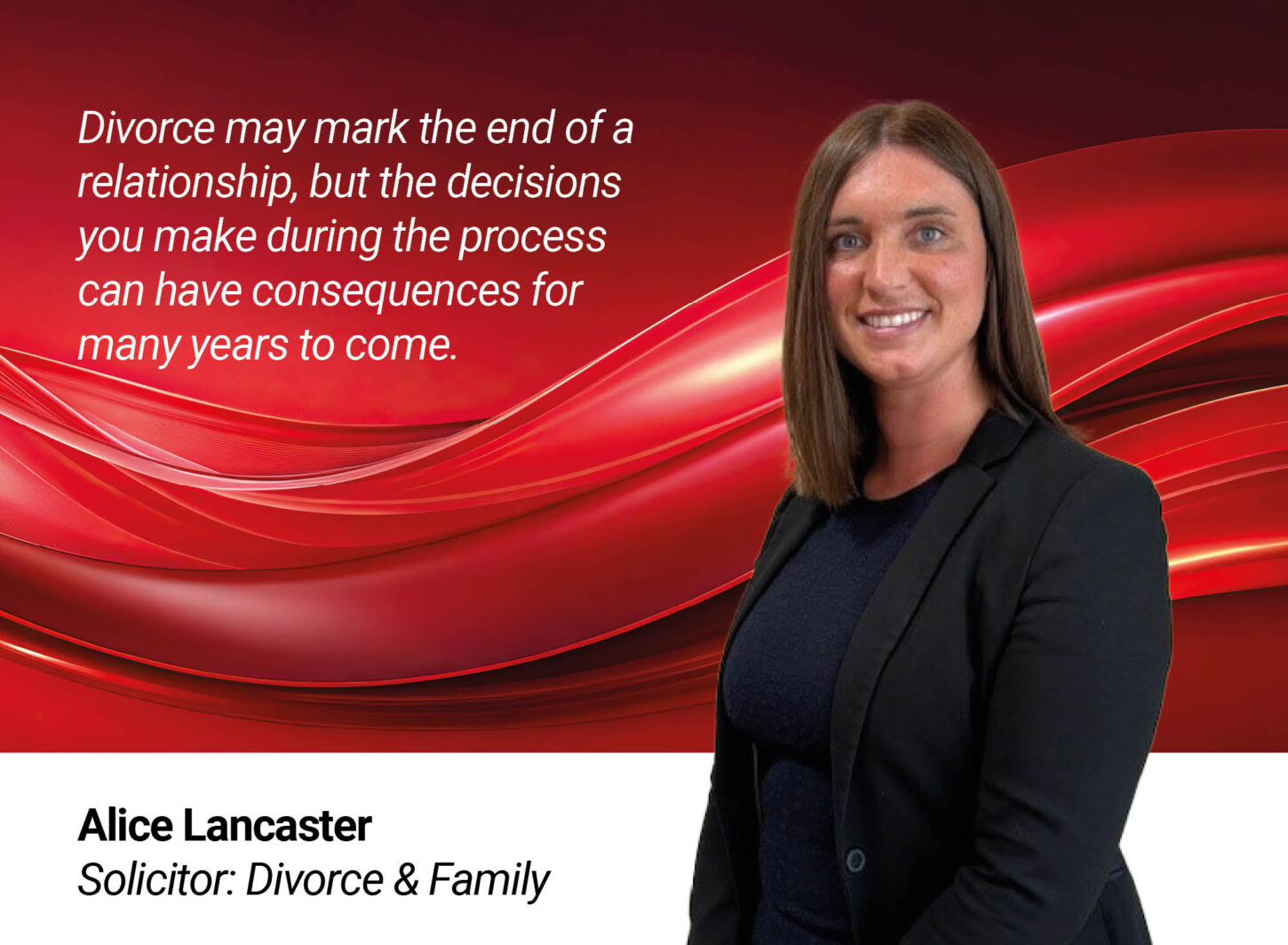
Divorce may mark the end of a relationship, but the decisions made during the process can have consequences for many years to come.
Key takeaways
- A DIY divorce may end your marriage, but it does not automatically resolve financial matters.
- Financial claims, pensions and property rights can remain unresolved without the appropriate court orders.
- Seeking legal advice early can help protect your financial interests and avoid costly mistakes.
- Every divorce is different, so professional advice ensures your individual circumstances are properly considered.
For more information on family law, please contact our expert, trusted Family Law & Divorce team on 01283 743969 or email enquiries@astlepaterson.co.uk.
You can also follow us on Facebook and LinkedIn to keep up with the latest information.
Frequently Asked Questions (FAQs)
Does a final divorce order end financial claims?
No. A final divorce order legally ends the marriage but does not automatically end financial claims between former spouses. A court-approved financial order is usually required.
Is a DIY divorce suitable for everyone?
Not always. While some straightforward divorces may be suitable for a DIY approach, cases involving property, pensions, children or significant assets often benefit from legal advice.
What is a financial order in divorce?
A financial order is a legally binding court order that records how finances will be divided following divorce and helps provide certainty for both parties.
Can pensions be affected during divorce?
Yes. Pensions are often one of the most valuable marital assets and should be carefully considered when reaching a financial settlement.
What is the remarriage trap?
The remarriage trap can affect an individual’s ability to make certain financial claims after divorce if they remarry before those claims have been resolved.


