News
What the Renters’ Rights Act means for landlords

The rental sector is continuing to evolve, and for landlords across England and Wales, 2026 marks a significant shift in legal responsibilities and tenancy management.
With the Renters’ Rights Act now in effect, landlords, letting agents and property professionals are facing a new regulatory landscape that places greater emphasis on tenant protections and compliance.
Understanding what these changes mean in practice is essential. Failing to adapt could result in costly disputes, possession delays, financial penalties, or increased scrutiny from tenants and local authorities.

The end of Section 21 notices
One of the most widely discussed changes in the Renters Rights’ Act is the abolition of Section 21 “no-fault” evictions. This means landlords can no longer regain possession of a property without relying on a specific legal ground.
Instead, landlords must now use revised Section 8 possession grounds, which have been expanded to cover circumstances such as:
- Persistent rent arrears
- Anti-social behaviour
- Landlords wishing to sell the property
- Landlords or close family members moving into the property
While legitimate routes to possession remain available, the process is now more evidence-based and reliant on proper legal procedure. Any errors in notices, documentation or compliance obligations could delay proceedings significantly.
For landlords, this means record-keeping and tenancy management are now more important than ever.

Periodic tenancies become the standard
The Renters’ Rights Act has also removed fixed-term assured shorthold tenancies as the default arrangement. Periodic tenancies allow tenants greater flexibility to leave with notice.
This change creates a different dynamic for landlords. Long-term tenant relationships, communication, and proactive property management will become increasingly important in maintaining occupancy and reducing disputes.
Landlords should also review and update tenancy agreements to ensure they reflect the latest legal framework and avoid outdated clauses that may no longer be enforceable.
Increased focus on property standards
Housing standards remain a major focus under the reforms of the Renters’ Rights Act.
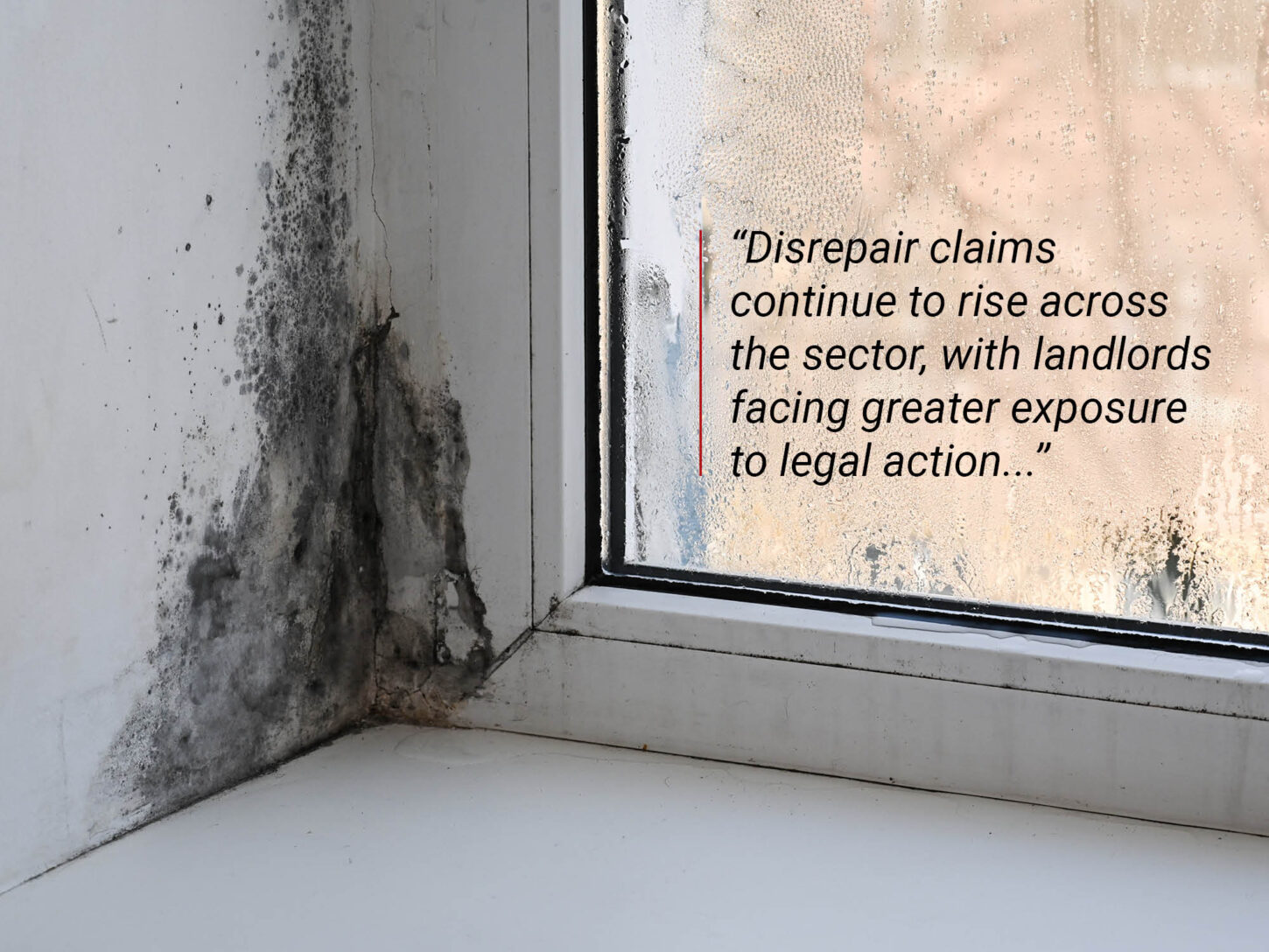
Disrepair claims continue to rise across the sector, with landlords facing greater exposure to legal action and financial penalties where maintenance issues are not addressed promptly.
Key compliance areas landlords should regularly review include:
- Gas safety certification
- Electrical safety inspections
- Smoke and carbon monoxide alarms
- Deposit protection requirements
- EPC obligations
- Damp, mould and ventilation issues
- General repair and maintenance procedures
Failure to comply with these obligations can impact possession claims and increase the likelihood of litigation.
What landlords should be doing now
For landlords operating in 2026, preparation and compliance are key. Practical steps include:
- Reviewing tenancy agreements and landlord procedures
- Ensuring all compliance documentation is current and accessible
- Keeping clear records of inspections, communication, and repairs
- Responding promptly to tenant concerns
- Seeking legal advice before serving notices or commencing possession proceedings
The legal framework surrounding residential property is becoming increasingly complex, and landlords who take a proactive approach are likely to be in a far stronger position should disputes arise.

Supporting landlords through legislative change
Astle Paterson supports landlords and property professionals with practical legal advice on tenancy disputes, possession proceedings, compliance issues and property litigation.
As the Renters’ Rights Act 2025 begins to reshape the sector, obtaining clear legal guidance can help landlords protect their interests while remaining compliant with evolving obligations.
For further information about landlords’ and tenants’ rights, visit our dedicated resource below.
If you need legal guidance regarding the Renters Rights’ Act, or landlords’ and tenants’ rights, contact our experienced litigation team today.
For further information, please contact our trusted and knowledgeable Civil Dispute Resolution & Litigation team on 01283 531366 or email enquiries@astlepaterson.co.uk.
You can also follow us on Facebook and LinkedIn to keep up with the latest information.


